
About Sea Science
Sea Science is an independent marine science consultancy specialising in marine vertebrates and the changing ocean.
Led by Dr Kirsten Young, Sea Science combines field research with expertise in cetacean ecology, passive acoustic monitoring, genetics, environmental DNA and ecological analysis.
The work focuses particularly on species and habitats that are difficult to observe, including deep-diving cetaceans and remote ocean environments.
By combining complementary methods and collaborating across disciplines, Sea Science develops robust evidence about marine mammal populations and the ecosystems they inhabit.
We work with organisations that need specialist marine expertise, independent scientific evidence or support developing and delivering marine research and monitoring programmes.
Alongside consultancy and applied research, Sea Science supports academic research and scientific collaboration through the Exeter Cetacean Research Group.
The aim is straightforward: to produce rigorous marine science that can be understood, trusted and used for conservation and management.
About Dr Kirsten Young
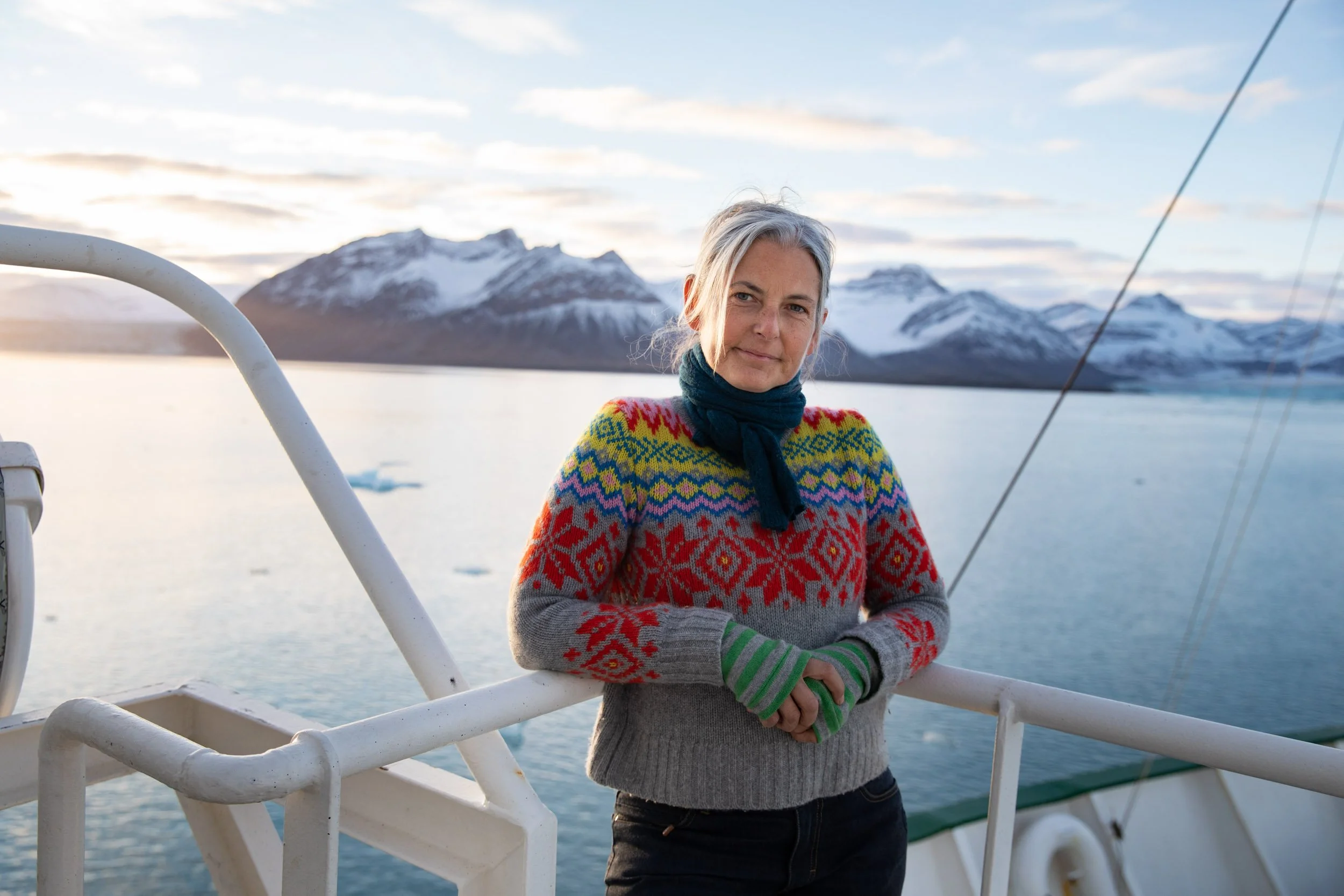
Director of Sea Science
Dr Kirsten Young is Director of Sea Science and Senior Lecturer in Ecology at the University of Exeter, where she leads the Exeter Cetacean Research Group and has taught in the Biosciences programme since 2018.
She holds a PhD from the University of Exeter, a First Class Honours MSc from the University of Auckland, and a BSc (Hons) from the University of Glasgow. She is also a sailor and has a Royal Yachting Association Ocean Yachtmaster theory certificate, with 40 years of experience working on the ocean. From working on a salmon farm as a teenager in Shetland, Scotland, to studying sperm whales in the Azores and Caribbean in the 90s to more recent expeditions on all five oceans.
Dr Young is an integrative animal ecologist specialising in marine mammal biology, with a particular research focus on deep-diving cetaceans, including sperm whales and beaked whales.
Her work draws on a cross-disciplinary toolkit — population and conservation genomics, passive acoustic monitoring, morphometrics, behavioural observation, citizen science and environmental DNA (eDNA) — to understand how top marine predators evolve, move and persist under mounting pressure from human activity and rapid environmental change.
Since 2014, Dr Young has served as a consultant scientist to Greenpeace Research Laboratories, acting as lead scientist on research expeditions spanning the Antarctic, Arctic, Mediterranean and Indian Ocean.
This fieldwork has directly informed international policy discussions, including submissions to the International Whaling Commission and European Commission.
She has also provided science advice to national governments, including the New Zealand Department of Conservation, and to intergovernmental and non-governmental bodies such as the South Pacific Regional Environment Programme, the International Fund for Animal Welfare, and the Centre for International Environmental Law.
Dr Young’s research record comprises 70 publications, including 39 peer-reviewed journal articles, and has been cited over 1,800 times.
Her findings — including the identification of the world’s rarest whale — have been covered by more than 200 news outlets worldwide, among them the BBC, Science, Scientific American, the Guardian and CNN. In 2020 Kirsten wrote a piece for Time magazine on how ocean protection can result in remarkable examples of recovery, using the example of humpback whales.
Alongside this press engagement, Dr Young provides independent marine science advice and fact-checking for film, broadcast and documentary productions, helping ensure that marine science communicated to public audiences is accurate and current.
A committed educator with over fourteen years of teaching experience across New Zealand and the UK, Dr Young is a Fellow of Advance Higher Education and module convenor for the University of Exeter’s international field course. She has supervised eighteen undergraduate research projects, ten master’s students and a doctoral candidate.
Kirsten is committed to conservation and academic rigour: she is topic editor for the peer-reviewed journal Endangered Species Research, sits on the Conservation Committee for the Society for Marine Mammalogy, and is an elected member of the Council of the European Cetacean Society.
Who we work with
We work with organisations that need independent marine science consultancy, specialist expertise or robust scientific evidence, including:
research institutions
conservation organisations and NGOs
government agencies and intergovernmental organisations
marine-sector partners
film, television and documentary productions requiring independent scientific advice or fact-checking
Whether the requirement is a defined piece of specialist analysis or support developing a larger research or monitoring programme, Sea Science can provide independent expertise tailored to the scientific question.

Let’s talk about your project.
If you need specialist marine science expertise, independent scientific advice, passive acoustic monitoring support, survey design, ecological analysis or help developing a research or monitoring programme, get in touch.
Tell us a little about the question you are trying to answer, and we can explore how Sea Science could help.
